
Foreign Trade Self-built Websiteusers will increase, and how can foreign trade enterprisesbuild their own B2B or B2C e-commerce websiteto avoid placing all their business on large platforms like Alibaba and Made-in-China? It's actually very simple to achieve; it can be done using WordPress with WooCommerce.
WooCommerce Introduction
WooCommerce is an open-source e-commerce plugin for WordPress. It is designed for small or large online merchants using WordPress. The plugin was released on September 27, 2011, and quickly became popular for its easy installation and customization, as well as its free base product.
WooCommerce also has rich plugin support, allowing you to implement more features with plugins. It is a relatively low-cost e-commerce website solution.
How to Use WooCommerce
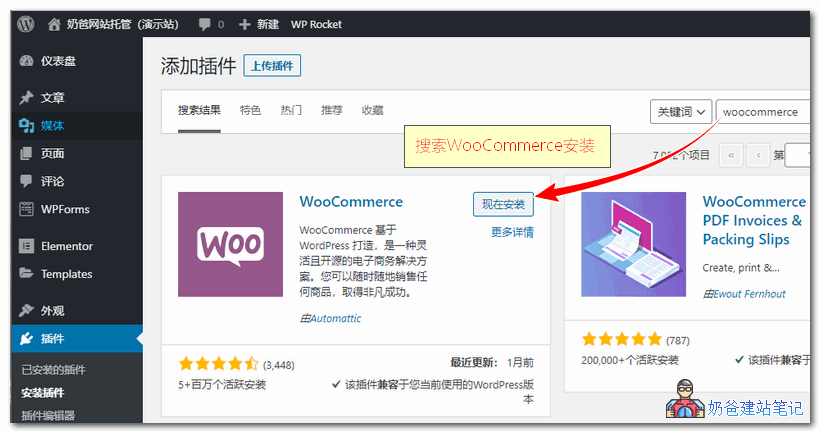
1. In the WordPress admin dashboard, search for WooCommerce, then install and activate it.
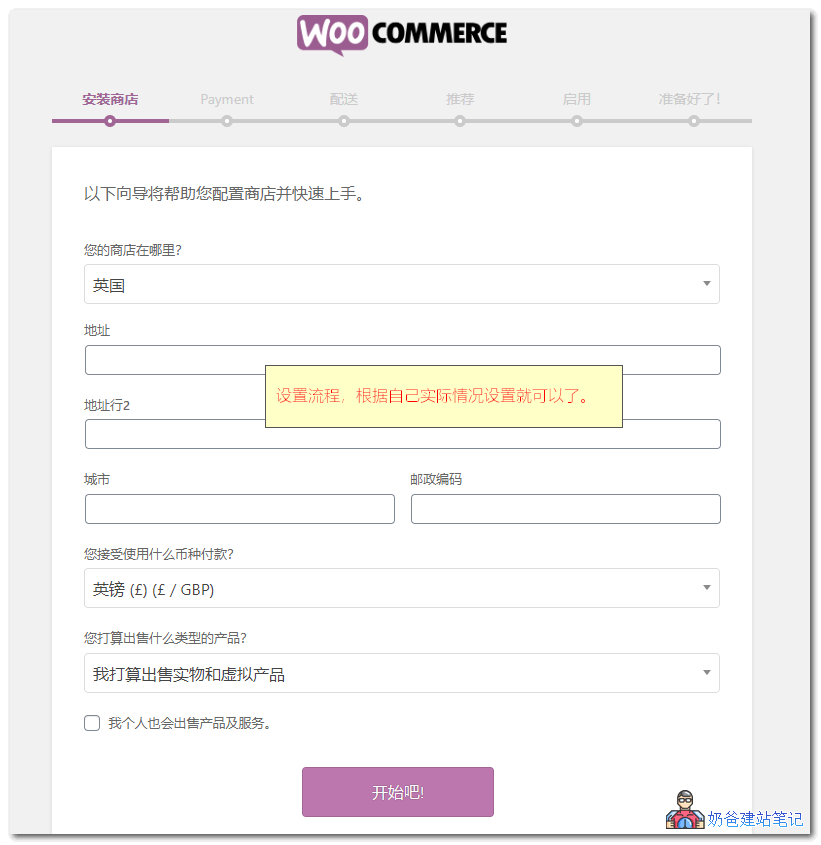
2. Run the store setup wizard and fill in the basic information for your own store.
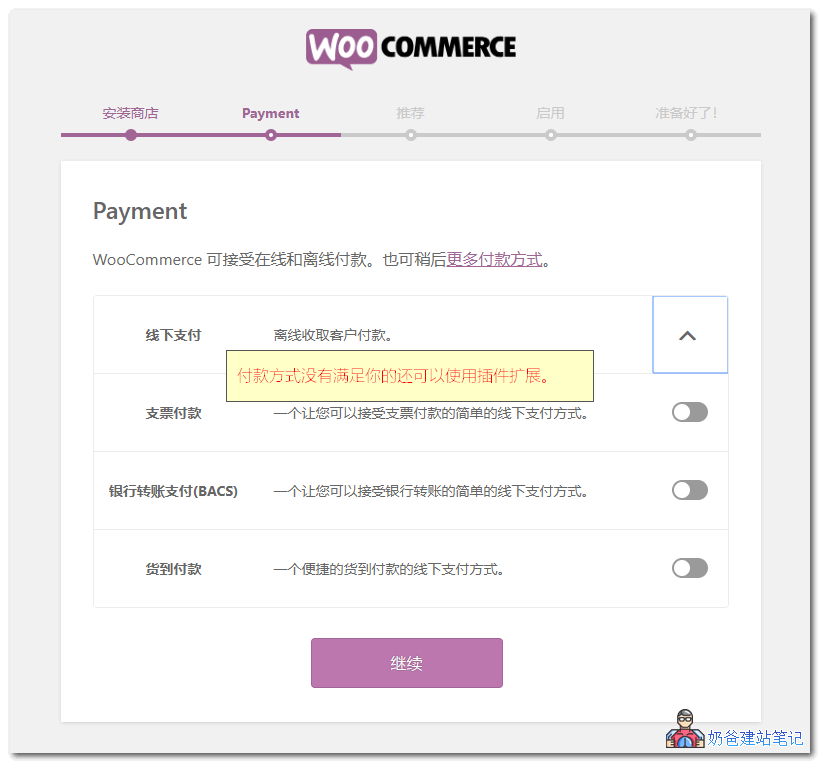
3. WooCommerce is compatible with mainstream payment methods. By default, it only includes the following payment gateways. You can extend your store to support more payment methods through plugins.
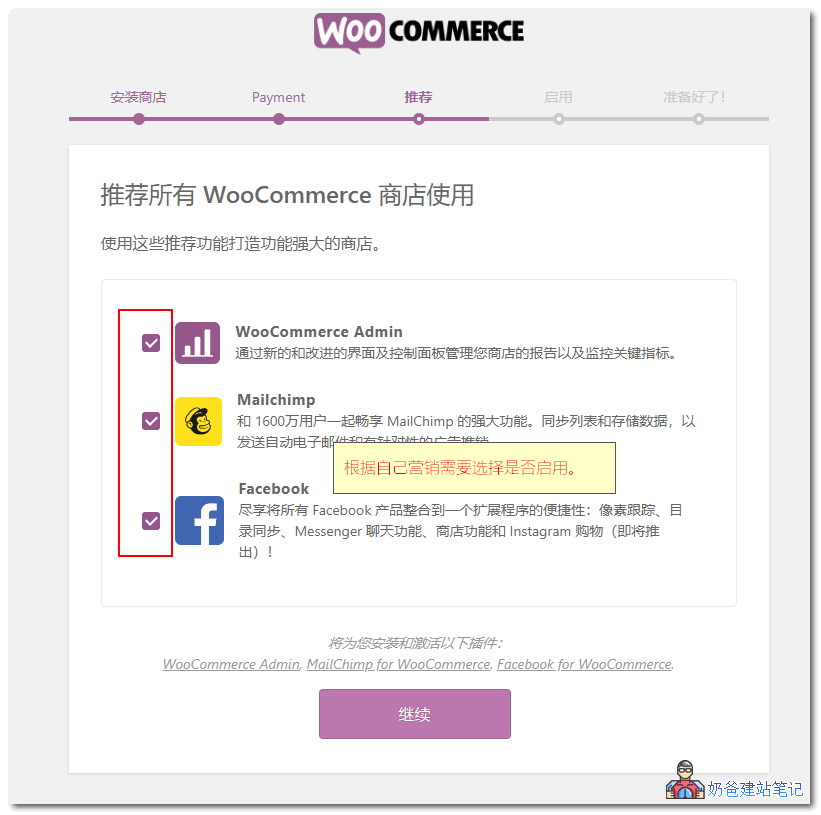
4. By default, it will recommend several commonly used plugins. You can choose whether to install them based on your actual situation.
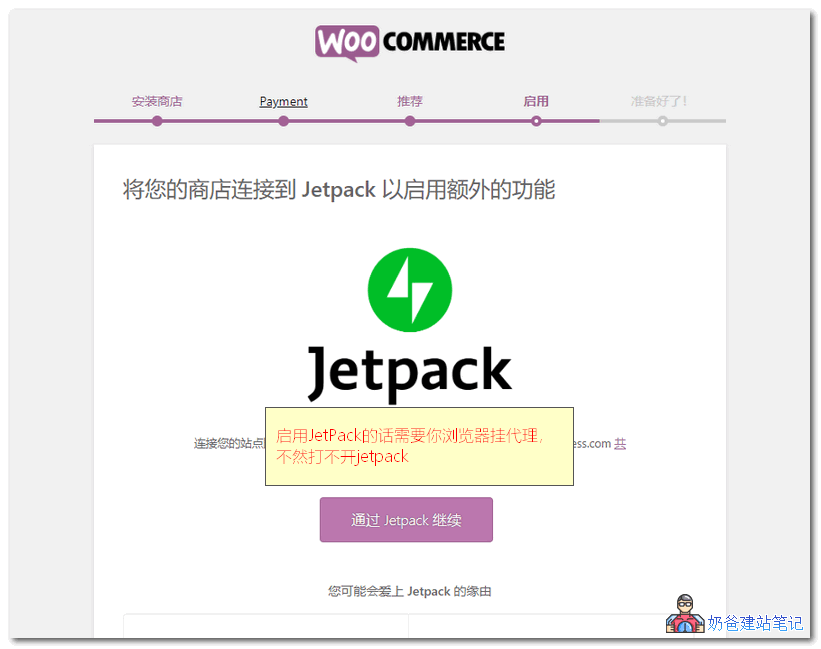
5. It will suggest you install the Jetpack plugin. Jetpack is an optimization and security plugin officially launched by WordPress, but domestic users may need a proxy to access it.
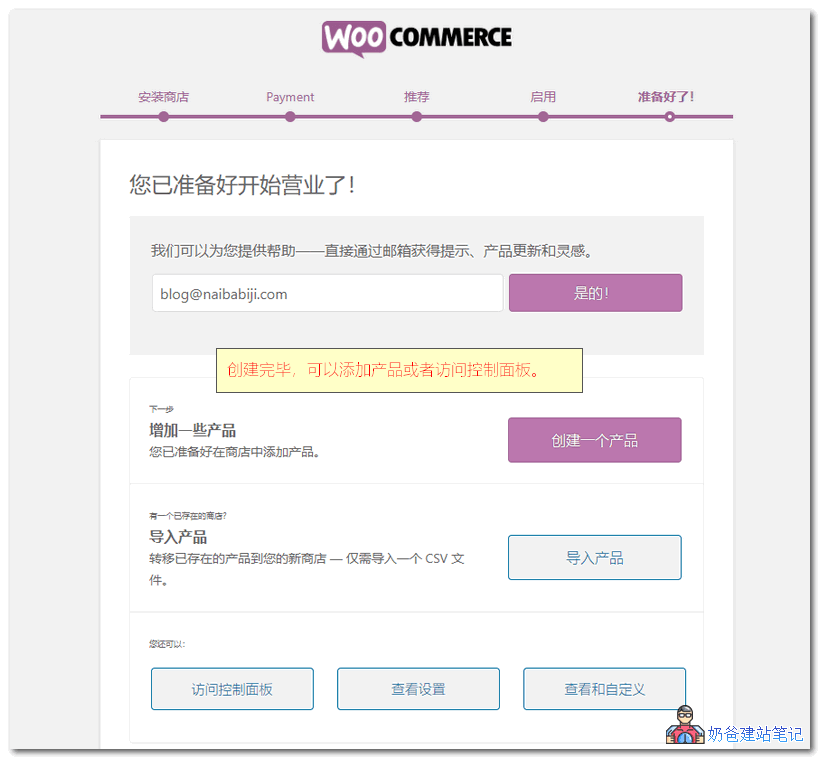
6. After setup is complete, you can enter the dashboard to make settings or directly create a product.
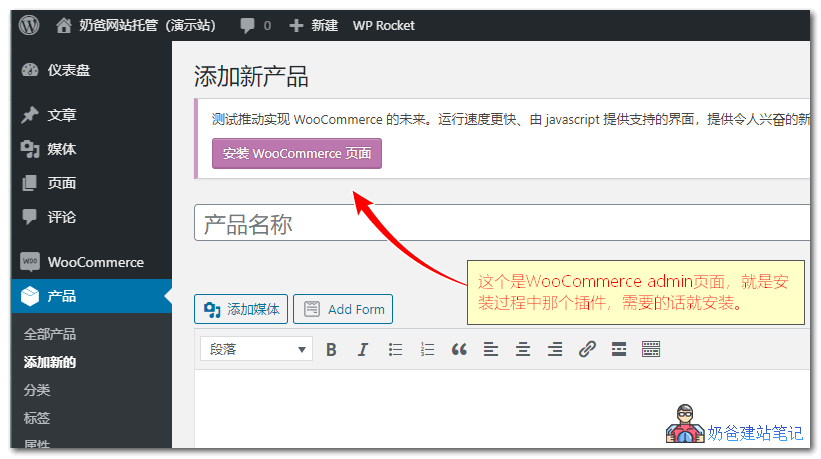
When publishing a product for the first time, if you haven't installed WooCommerce admin, it will remind you to install it. If you plan to use WooCommerce for e-commerce transactions, you can install it. If you only intend to use it for product display, you can skip it.
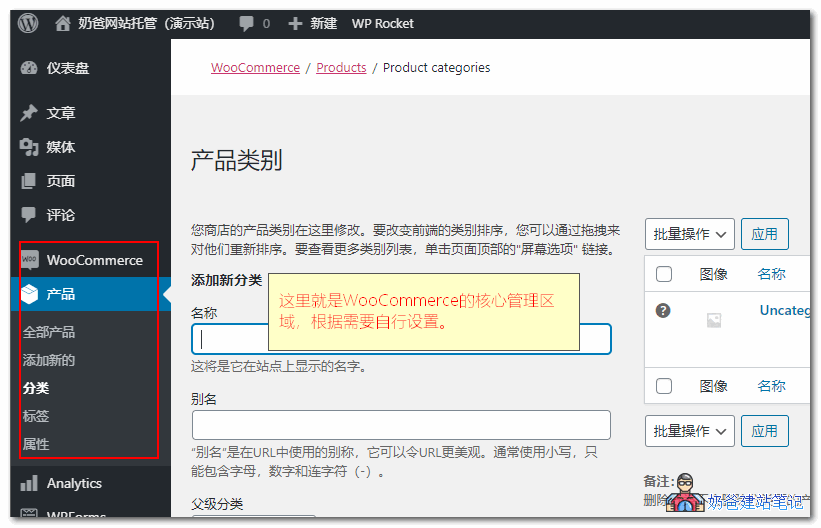
The part circled in red in the image below is the WooCommerce settings area. You can explore each item yourself.
Thus, you can easily build a cross-border e-commerce website using WordPress and WooCommerce.
Follow-up:
- How to Add Products in WooCommerce Tutorial
- How to Set Up Payment Collection for WooCommerce Foreign Trade Websites
For more tutorial articles related to WooCommerce usage, please visit:WooCommerce Tutorials Category
Regarding cross-border e-commerce websites, you might also be interested in the following content:
- WordPress Multi-functional WooCommerce Mall Theme: Cerato
- WordPress Automatic Card Issuing Plugin: WooCommerce License Manager
- 5 WordPress WooCommerce WeChat and Alipay payment Plugins recommendation
- 5 WordPress Inquiry Form Plugins_WooCommerce Email Inquiry Button
- Which is Better for an E-commerce Website: Magento, Shopify, or BigCommerce