We build our own Foreign Trade Independent Websites primarily to do Google SEO, gain rankings, and obtain free search engine traffic. To doGoogle SEO, we should first understand Google's search engine web crawling process. Knowing the process will help you understand how to respond.
Google Search Basic Process
To start, you can directly click the YouTube video link below to watch Google's official explanation video.
https://youtu.be/BNHR6IQJGZs
The video is only over 3 minutes long, published in 2010, which is ten years ago. There may be some changes, but the overall process should remain unchanged.
From the video, we can see that Google's process of crawling and displaying a webpage in search results is:
- Google's crawler fetches your website content and adds it to the Google index;
- When users search on Google, Google finds suitable web pages from its index based on certain rules and displays them to the users.
To have Google discover your website and include it in the index, we can useSitemaporSearch Consoleto tell Google the link to your website.
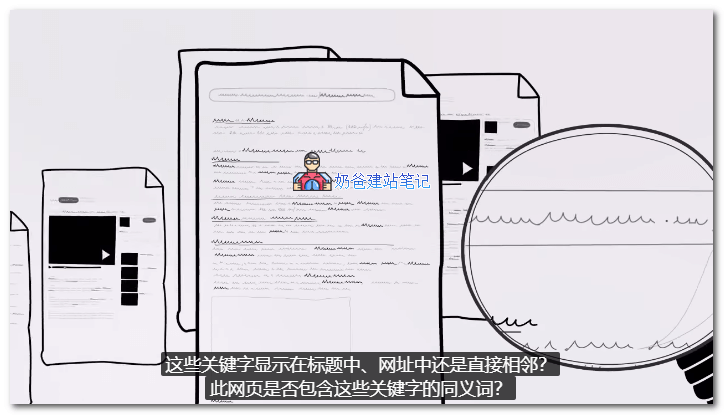
When Google calculates content rankings for your web pages, it considers whether the corresponding keywords or their synonyms appear in your page's title, description, URL, or content.
Google Search Ranking Algorithm
As long as you allow Google to crawl your website, Google's bots will include your site's content in their index. With so many websites on the internet, Google's index inevitably contains hundreds of billions or even more web pages.
Google's ranking system organizes and sorts these indexes to present the content users need as quickly as possible.
Google's ranking system consists of a series of algorithms, not just one. To provide you with the most useful information, Google's search algorithms consider many factors, including the words in your query, the relevance and usability of web pages, the expertise of sources, as well as your location and settings. The weight assigned to each factor varies depending on the nature of the query; for example, freshness of content is more important for queries about current news topics compared to queries for dictionary definitions.
I. Analyze Keywords
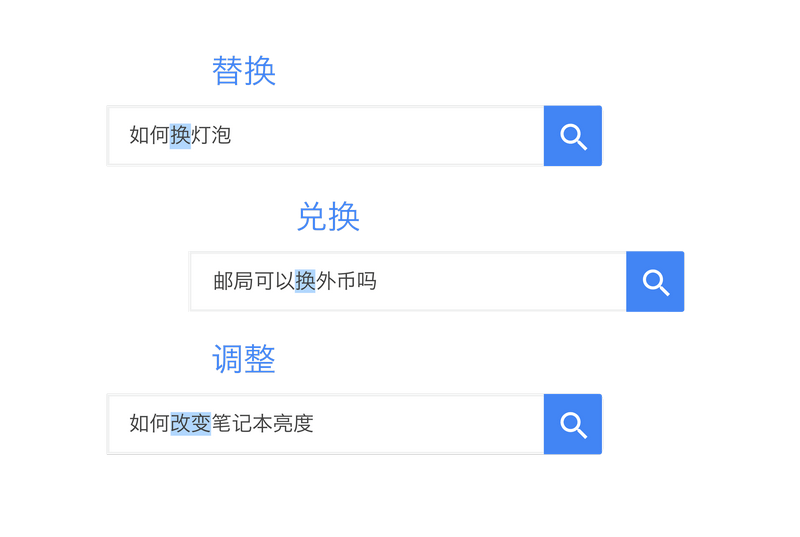
Google has a complete language model that performs a series of analyses based on the keywords you enter. For example, in the image above, it derives related search content based on what you search for.
At the same time, it will try to understand the category and timeliness of the answer you need.
II. Select Pages Matching the Search Content
After understanding your search intent, Google searches its index for web pages that contain information matching the query.
When you search,在最基本的层面上,Google的算法会在索引中查询您的搜索关键词以找到适当的网页。这些算法会分析相关关键字在某个网页上(不论是在标题中还是在正文中)的出现频率和显示位置。
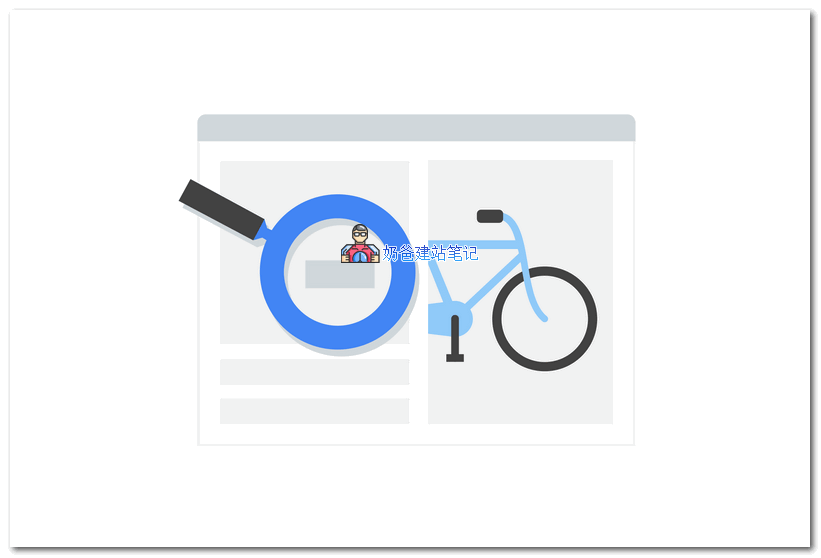
这就意味着,想要获得某个关键词的排名,那么你文章的标题和内容里面应该包含一定的关键词,帮助Google了解你网页的内容,但是你不能为了排名而乱插入关键词。
III. Rank the Web Pages
In Google's index, a user's search query often involves thousands or even more related web pages. Google then ranks these pages based on factors such as content freshness, keyword frequency, and whether the page provides an excellent user experience.
In this ranking process, factors such as the time users spend on your page or external links are considered comprehensively. Therefore, we find that the rankings of certain pages are constantly changing, and it is not guaranteed to always rank first or in the top few.
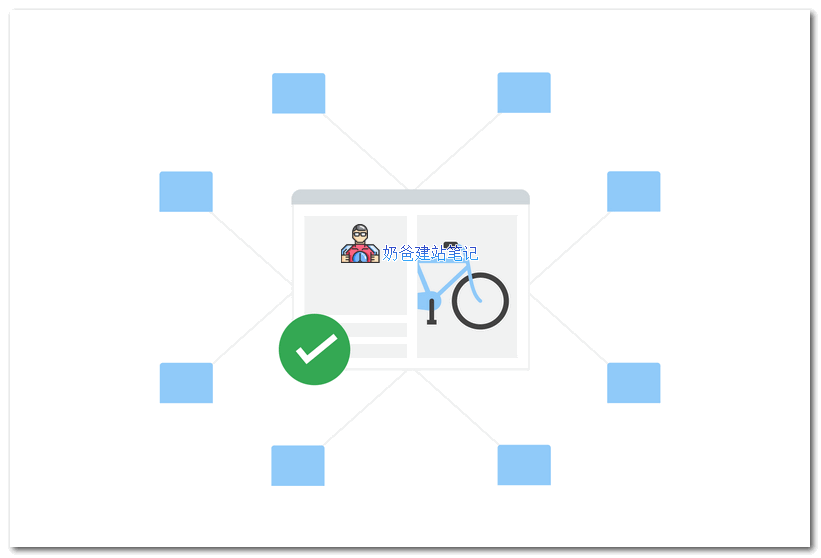
Google has set fundamental requirements for webmasters:
- When designing web pages, your primary focus should be on users, not search engines.
- Do not deceive users.
- Do not engage in deceptive practices to improve search engine rankings. A good measure to determine if your actions are appropriate is whether you would feel comfortable explaining what you„ve done to a competitor“s website or a Google employee. Another useful test is to ask yourself: „Does this help my users? Would I do this if search engines didn“t exist?„
- Consider what makes your website unique, valuable, or engaging. Strive to make your website stand out in its respective field.
So you cannot try to deceive Google by keyword stuffing or purchasing backlinks for better rankings, in order to get a higher position.
Google's search ranking system is constantly improving and growing. If your cheating methods are discovered by Google, your website's ranking may disappear directly from Google. For all legitimate foreign trade website owners, Naiba does not recommend using cheating methods for SEO.Google SEO ranking。
IV. Return the Best Results
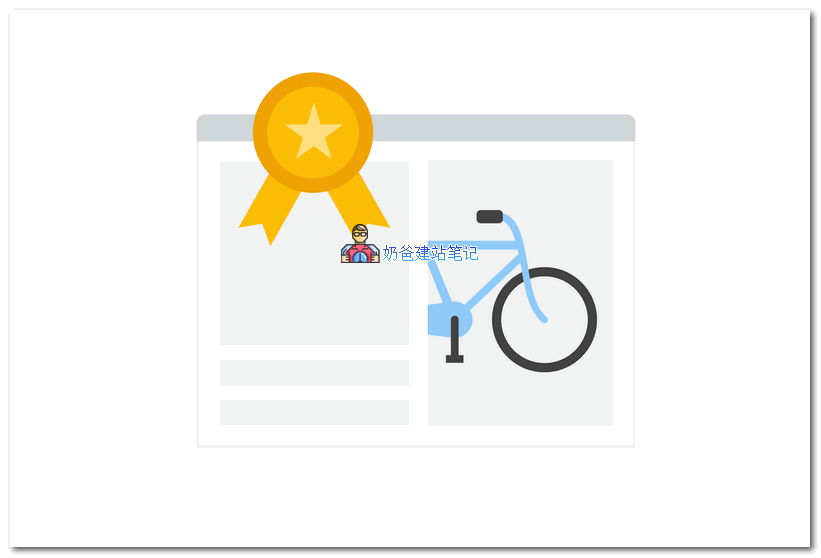
In the third step, after Google has a basic ranking of pages in the index, the actual displayed results may not necessarily rank first.
For the website that truly ranks first in Google search results, Google also considers other factors comprehensively.
For example, for the same question, whether all explanations in the rankings discuss similar narrow interpretations. If your viewpoint differs or your expression is different, Google may give you a better ranking.
Google hopes to provide users with a diverse range of information in the most useful format, such as the currently popular structured data.
Other factors affecting algorithm ranking include: whether the webpage displays normally in different browsers; whether it is suitable for mobile display; webpage loading speed, etc.
V. Search Context
For some specific search content, Google will also consider your search location, daily search history, etc., to rank webpages.
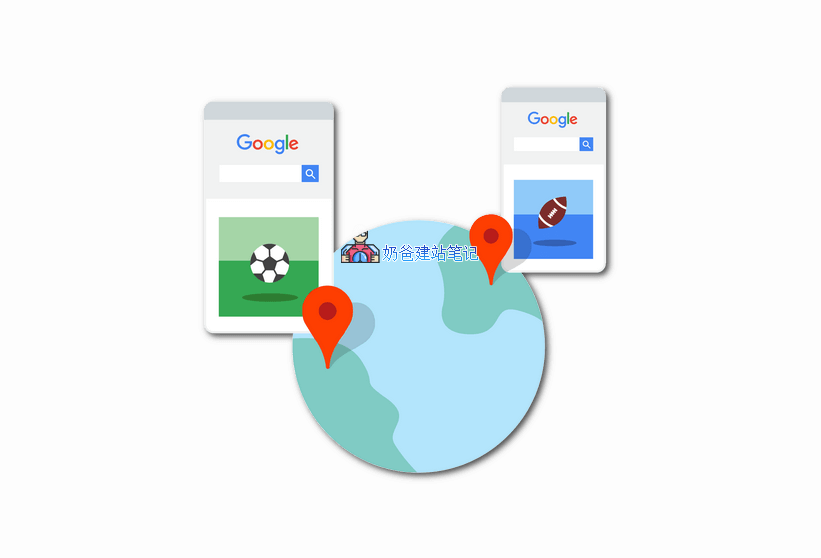
The best reflection of this is that the content we search for may differ across countries and regions.
For example, when we search for "car 4S store," the results for users in Beijing will differ from those in Chongqing. Only when we specify the exact search location might the results be the same.
Some search results differ whether you are logged into your Google account or not. This is because Google sorts pages based on your daily usage habits and search history.
The above content is the basic knowledge of Google's web crawling and page ranking algorithm. Understanding these basic SEO concepts can help us in our dailyGoogle SEO optimizationprocess of writing articles more suitable for ranking.
References:
- https://www.google.com/intl/zh-CN/search/howsearchworks/crawling-indexing/
- https://www.google.com/intl/zh-CN/search/howsearchworks/algorithms/